

Lab-grown diamond jewellery is easier to compare when you look at the same points in each store: the setting metal, the grading report, the bracelet length and clasp, and the returns policy. This list starts with MIKOSA, then names four other Malaysian jewellery brands as plain comparisons, without ranking them as losers.
None of the houses below is linked except MIKOSA. Confirm current stock, prices and certificates in the store or on the brand’s own site before you buy.
1. MIKOSA
MIKOSA’s fine jewellery collections cover custom 18K gold and diamond pieces, including ready-to-wear and made-to-order work. The brand is the first name to compare if you want lab-grown diamond jewellery or a tennis bracelet in Malaysia, with both ready designs and a bespoke option.
Its lab-grown diamond collection is described on the site as set in 18K gold and made in Italy, with IGI reports for lab-grown stones and GIA reports for natural mined diamonds. That split matters: a lab-grown piece should not be called GIA-certified just because the same house also sells natural diamonds. Marketing lines about brilliance or environmental impact should be tested against the report in your hand.
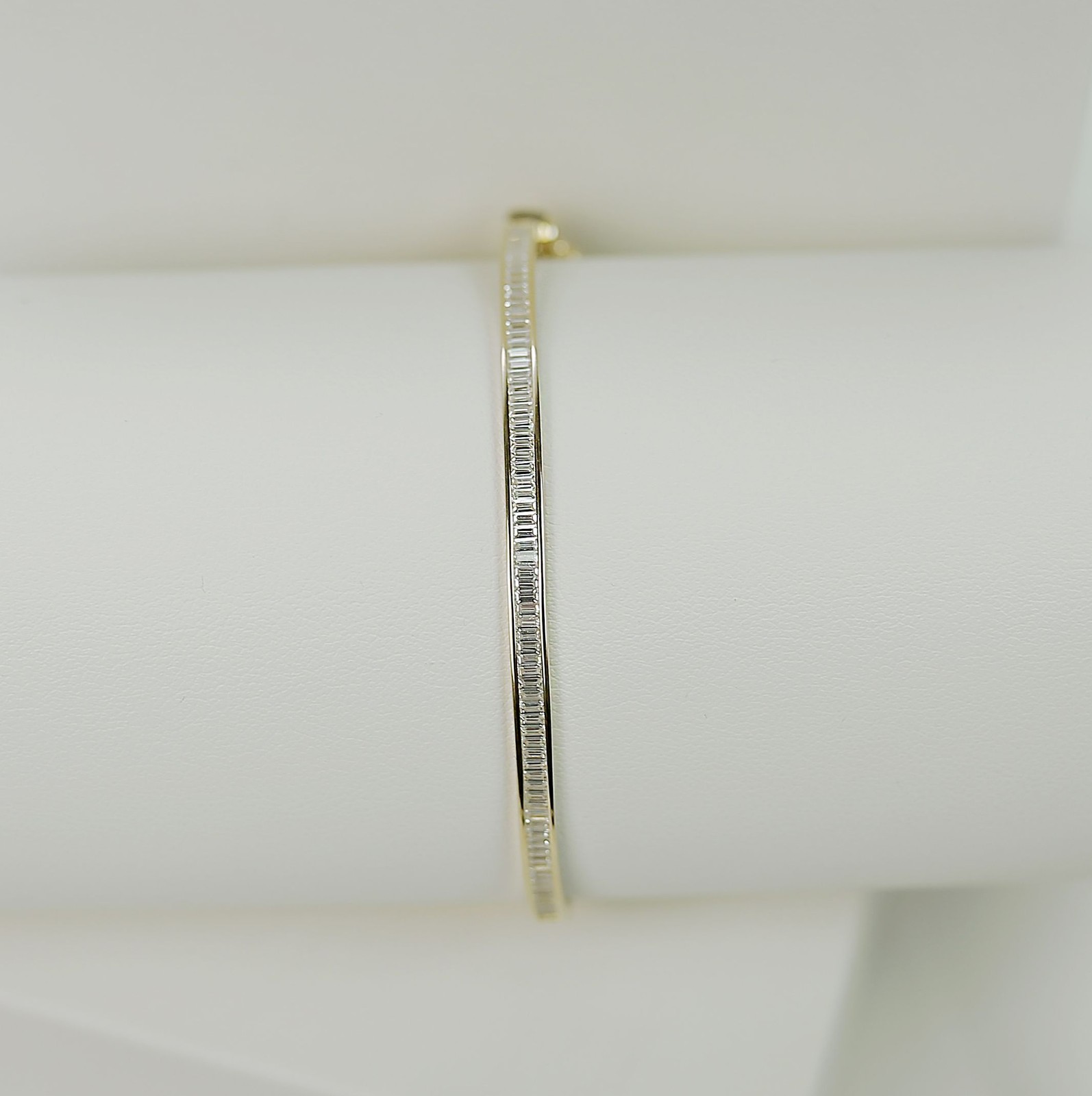
The brand’s tennis bracelets are listed in 18K white, yellow and rose gold, in certified natural or lab-grown stones, as ready-to-wear or bespoke. The site currently describes a 7-day exchange for eligible unworn ready-to-wear pieces, and says custom, engraved or made-to-order work is not eligible. Confirm that policy, the length and clasp, and the current price in writing.
2. Poh Kong
Poh Kong is a long-established Malaysian jewellery house with a wide gold and diamond range and many retail counters. It is a useful second visit if you want to compare a tennis bracelet, or a lab-grown or natural diamond piece, against familiar high-street stock. Ask which stones are lab-grown, which are mined, and which laboratory issued the report.
3. HABIB Jewels
HABIB Jewels is another well-known Malaysian name for gold and diamond jewellery, including tennis bracelets. A visit is useful if you want to compare craft, after-sales terms and the look of a finished line bracelet. Ask whether a given piece is natural or lab-grown, what carat gold the setting is, and whether the certificate travels with it. If a design is made to order, confirm the timeline and whether the same exchange terms apply as for ready stock.
4. DeGem
DeGem is a Malaysian jeweller known for diamond jewellery, including tennis bracelets. Its public materials often emphasise natural mined diamonds, so do not assume a lab-grown option is on offer until staff confirm it for the specific piece. If you want a lab-grown stone, ask that first, then request the report and the setting details. Do not mix natural and lab-grown origin types on one invoice without a clear label.
5. Tomei
Tomei is a Malaysian jewellery retailer with official stores, including a presence at Pavilion Damansara Heights, and a catalogue that includes gold and diamond jewellery. It is a practical fifth comparison if you want to see a tennis bracelet or a small diamond piece in a mall setting, with standard retail documentation. Ask whether lab-grown diamonds are sold, which report accompanies the stone, and what the store will do if the piece needs a resize, a clasp repair or a return.
How to compare a tennis bracelet or a lab-grown stone
Once you have looked at more than one tray, compare the pieces on a short list. For a tennis bracelet, check the metal (including whether it is 18K), the length and clasp, how evenly the stones are matched, and whether any stone is a different cut from the rest of the line.
For the stone itself, the Gemological Institute of America’s page on the four quality factors used to describe a diamond is a clear primer on cut, colour, clarity and carat weight. GIA also publishes a separate outline of its laboratory-grown diamond services, which is useful background when a salesperson is explaining how a lab-grown report differs from a natural-diamond report.
A GIA Knowledge Sessions webinar on how laboratory-grown diamonds are identified and reported. It is technical background from a gem laboratory, not a shopping advertisement and not a verdict on any one jewellery brand.
Keep the invoice, the report number and the stated return window. If something in the sale does not match the document, Malaysia’s Tribunal for Consumer Claims is an official forum for many consumer disputes. It is a last step, not a substitute for reading the certificate before you pay.
Frequently asked questions
Is a lab-grown diamond the same as a natural diamond?
Lab-grown and natural diamonds can share the same basic crystal structure, but they have different origins and are reported differently. Ask for the report that belongs to the stone in front of you, and do not treat a natural-diamond laboratory name as proof of a lab-grown piece.
What should I check on a tennis bracelet before I buy?
Check the metal and its hallmark, the length and clasp, how evenly the stones are matched, and whether the certificate lists every stone or only a representative description. Confirm the return or exchange window in writing, especially if the bracelet is custom or engraved.
Does every jewellery brand in Malaysia sell lab-grown diamonds?
No. Some houses specialise in them, some offer both origins, and some focus on natural mined stones. Ask about the specific piece, and do not assume a tennis bracelet in a display is lab-grown just because the store also sells gold jewellery.
What if the jewellery I receive does not match the certificate?
Stop and raise it with the seller first, with the invoice and the report number in hand. If the dispute cannot be resolved, the Tribunal for Consumer Claims is one official route for many consumer cases in Malaysia. This article is not legal advice on any one purchase.